
Mark Chalfin is a Brooklyn, New York personal injury law firm helping injured people navigate the legal steps that follow serious accidents and other harm caused by negligence. For many clients, the early days after an injury are the hardest: medical appointments, insurance questions, and missing documentation can quickly create confusion. This guide outlines what to expect when meeting with the firm, what information is most useful for an initial case review, and how a typical personal injury claim is developed under New York law.
What type of cases the firm handles
Mark Chalfin’s practice is centered on general personal injury matters. The firm’s work generally includes investigating the circumstances of an accident, reviewing available records (such as medical documentation and incident reports), and evaluating potential liability and damages. Intake is capture the details that often determine whether a claim can be supported with evidence.
How the intake process works
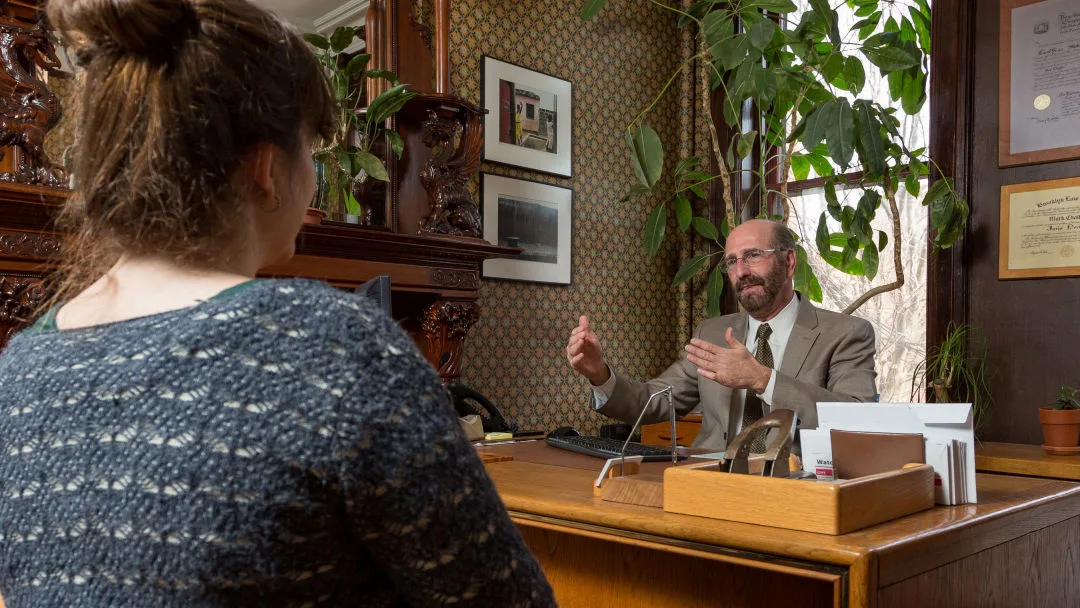
Prospective clients typically begin with a structured intake conversation. During that call or visit, the goal is to understand the injury, the timeline of events, and who may be responsible. Clients can expect guidance on the kinds of information that help establish what happened and what harm resulted.
The firm states availability around the clock, and it supports virtual consultations as well as in-office discussions. The office also supports multilingual staff, which can be important for clients who want to describe their situation accurately and comfortably.
Fee model and consultation expectations
Mark Chalfin lists a standard hourly approach for legal services, and prospective clients can ask about how costs are handled for their particular matter. The firm’s communication style, as described in client feedback, emphasizes keeping clients informed during a process that can otherwise feel overwhelming.

What happens after the initial meeting
After intake, the firm generally building the claim. That may involve reviewing medical records, identifying witnesses or other sources of information, and analyzing how liability may be established. For injury cases, the timing of treatment, the consistency of symptoms, and the documentation of diagnoses can all affect how damages are presented.
Clients can usually expect the next steps to be communicated clearly, including what additional information may be needed. The firm’s approach is turn scattered details into a usable narrative—one that can support negotiation and, when appropriate, litigation.
What to bring to a consultation
To make the first meeting more efficient, it helps to bring materials that connect the injury to the event. Examples include:
- Any incident or accident report numbers, if available
- Medical records, discharge paperwork, and treatment visit dates
- Photographs or videos related to the scene of the accident
- Insurance correspondence, denial letters, or claim numbers
- A written timeline describing what happened before, during, and after the injury
If records are missing, the initial discussion can still help identify what should be requested or recreated.
New York statute of limitations: time matters
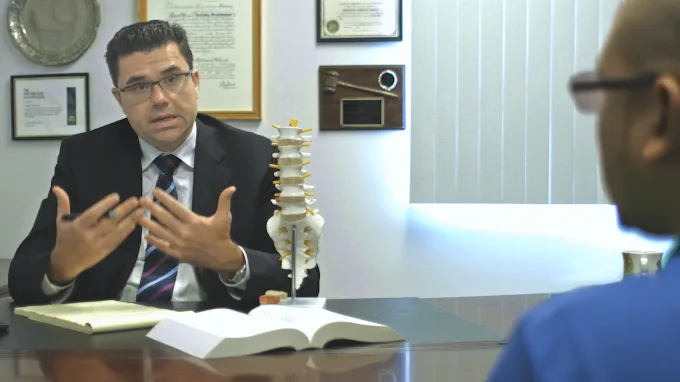
Personal injury claims in New York are subject to a statute of limitations, meaning legal action must generally be filed within a set time period after the injury occurs. Because deadlines can vary depending on the specific facts and claim type, the most accurate approach is to confirm the applicable timeframe during the first case review. Acting early helps preserve evidence and ensures the firm has enough time to evaluate the claim.
For anyone who has been injured in Brooklyn, contacting counsel promptly after the incident can reduce the risk of missed deadlines and improve the ability to collect critical information while it is still available.