

Overview: why an initial consultation feels complicated
After an accident, many people want answers quickly, but the first law-firm meeting can feel overwhelming. A visitor guide helps set expectations before the conversation begins at Goldberg & Chase LLP, located at 26 Court St Suite #1503, Brooklyn, NY 11242. The goal of this type of meeting is to understand the basic timeline of events, identify potential claims, and determine what documentation can support liability and damages.
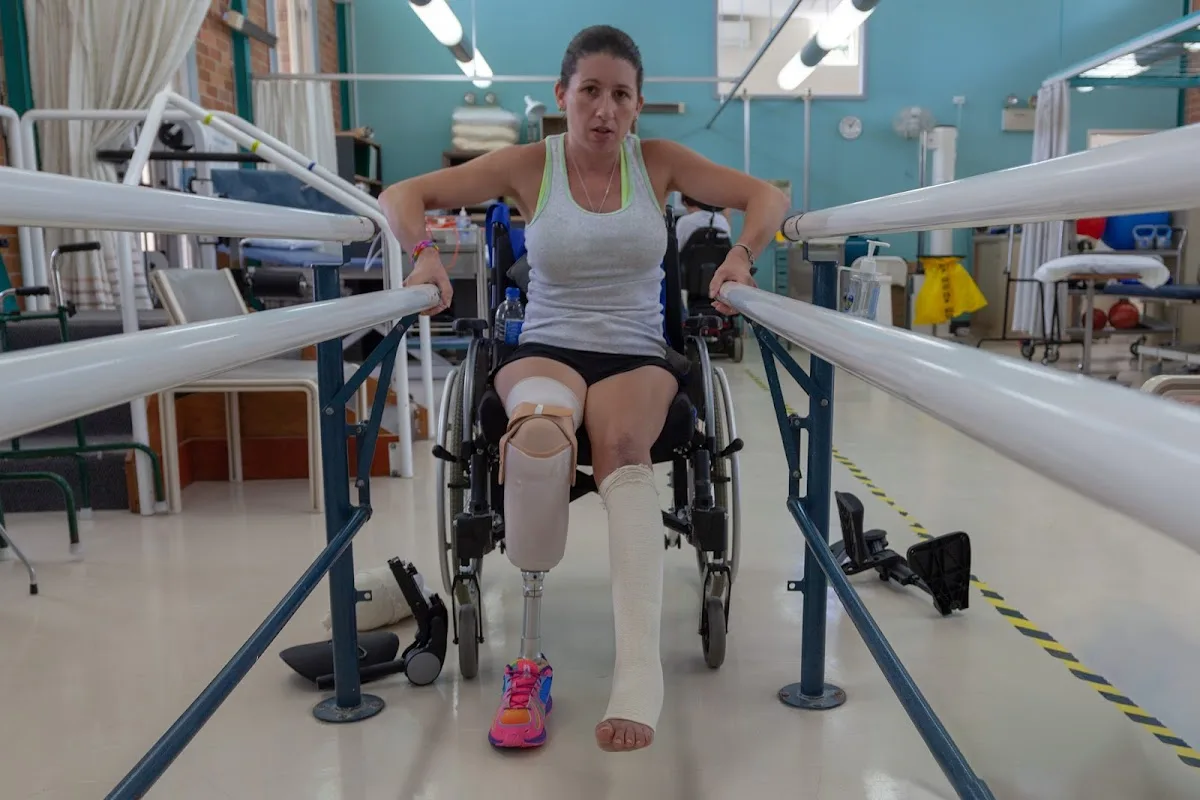
Practice focus: general personal injury matters
Goldberg & Chase LLP is listed for general personal injury representation. In visitor terms, that typically includes cases where injuries are alleged to have resulted from another party’s actions or negligence. During the consultation, counsel usually asks about what happened, where it happened, and whether there were witnesses, photographs, reports, or other physical evidence.
How the intake conversation is commonly structured
Most initial meetings follow a practical flow: (1) a summary of the incident, (2) an explanation of injuries and treatment to date, (3) identification of potentially responsible parties, and (4) discussion of what information is missing and what should be collected next. Goldberg & Chase LLP’s listing notes open 24-hour availability, which may help prospective clients request an initial conversation after an injury, though specific turnaround times can vary by matter.

Fee and consultation expectations
Personal injury firms commonly evaluate cases under a contingency-based or fee arrangement, meaning the client’s costs are handled based on how the matter proceeds. Goldberg & Chase LLP’s listing indicates a standard or hourly approach in its general description, and reviews also reference a consultation process. Because fee details can depend on the exact facts, the first meeting is typically when counsel confirms the fee structure and explains any costs that could arise.
If virtual or remote options are available, they are often addressed at intake. Prospective clients who need language support or accessibility accommodations should flag those needs early so the meeting format can be adjusted.
What to bring to the first meeting
Bringing the right documents helps attorneys evaluate liability and damages more quickly. For a general personal injury consultation, consider bringing:
- Incident documentation: date and approximate time, location details, and a written timeline of what happened.
- Medical records: diagnosis, treatment notes, imaging or test results, prescriptions, and discharge paperwork where applicable.
- Photos or videos: pictures of the scene, injuries, and any dangerous conditions or vehicle/property damage.
- Insurance and reporting information: accident reports, claim numbers, emails/letters, and coverage-related paperwork.
- Expense and impact proof: receipts for medication and out-of-pocket costs, and documentation of lost wages or work restrictions.
Even if some items are missing, the consultation can still help identify what evidence matters most for next steps.

New York timing considerations: statute of limitations
In New York, personal injury claims are generally subject to strict deadlines. The applicable statute of limitations depends on the injury type, the parties involved, and the legal theory. During the consultation, counsel can explain which deadline may apply based on the reported facts and advise on how quickly evidence should be gathered to support the matter.
Practical next steps after the consultation
After the first meeting, attorneys typically outline next steps, such as collecting additional records, preserving evidence, communicating with relevant parties, and determining whether and how to pursue a claim. A visitor-friendly consultation experience often clarity: what is known, what still needs verification, and what the client can do to support the case.