
Overview: what injured visitors should expect
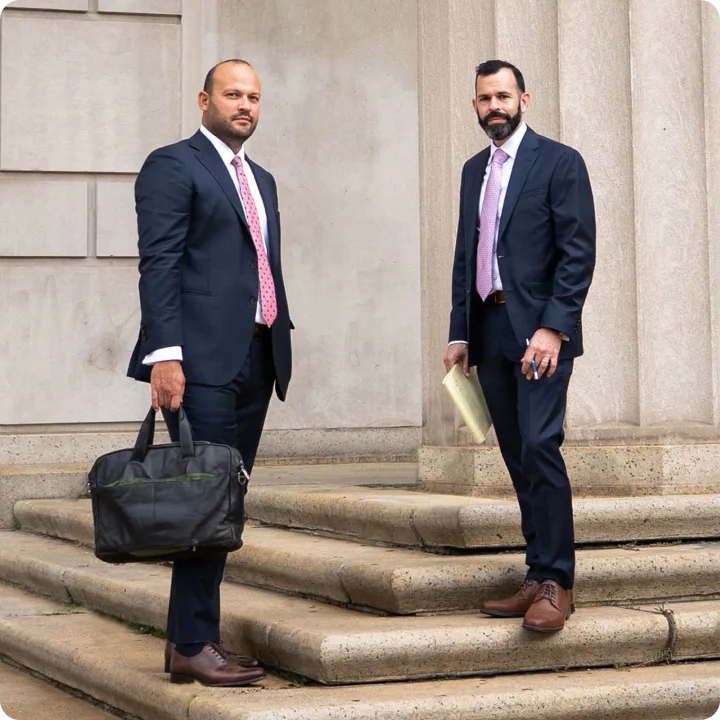
After an auto crash, slip-and-fall, workplace accident, or another injury caused by someone else’s negligence, the first challenge is often practical: where to go, what information matters, and how quickly a claim must be evaluated. Ferrante & Koenig, Brooklyn Injury Attorneys helping injury victims understand their options and next steps, including preserving evidence and meeting New York procedural deadlines. This guide explains what a visitor to the firm’s process can prepare in advance and what issues commonly come up when building a personal injury case.

Common claim types in Brooklyn personal injury matters
Injury visitors typically start with the same question: “How does my situation fit a personal injury case?” Ferrante & Koenig handles matters that generally fall under personal injury categories, including motor vehicle collisions, premises-related accidents, and other incidents where an injury is linked to another party’s conduct. The exact legal theory depends on the facts—such as how the accident happened, what duties were involved, and what documentation exists to support causation.
How an initial case review is usually structured
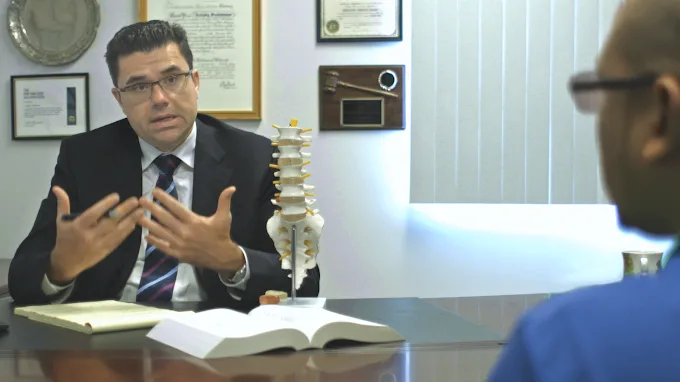
A first meeting is not only about telling the story. It is also about organizing the record so the firm can identify key issues, estimate potential damages, and discuss strategy. Visitors are typically asked to provide a timeline of events and to identify who witnessed the accident and where evidence may be stored. The review process may also include discussions about medical treatment, insurance communications, and whether any statements were already made to adjusters or other parties.
Typical documents visitors should bring
- Any incident reports (police report number, building/landlord incident log, or employer report details)
- Photographs or video from the scene, including vehicle damage, hazardous conditions, or injuries
- Medical records, discharge paperwork, and a list of diagnoses and treatments
- Prescription receipts and documentation of missed work or reduced earning capacity
- Insurance letters, claim numbers, and written or recorded communications
- Names and contact information for witnesses
Fee and consultation expectations
For many personal injury cases, compensation may depend on negotiating a settlement or pursuing litigation. Ferrante & Koenig’s approach reflects a standard injury practice: the firm generally structures representation around the case’s outcome rather than charging for every phase of work regardless of result. Visitors can discuss fee arrangements during intake, including how contingency-based models are commonly applied in New York injury claims.
It is also helpful for visitors to understand communication expectations. Questions that often guide the first conversation include when updates can be expected, what the firm needs to review next, and how the case timeline may be affected by medical treatment and evidence availability.
What visitors can clarify during the meeting
Consider bringing a short list of questions before the consultation, such as:
- What evidence is strongest for liability in this specific case?
- What damages are most relevant based on the medical history?
- How do negotiations usually proceed, and when might litigation become necessary?
- What steps should be taken immediately to preserve evidence?
New York timeline: statute of limitations and filing deadlines
One of the most important planning points for injured visitors is the statute of limitations, which is the legal deadline for filing a lawsuit. In New York, many personal injury claims are subject to a typical three-year limitations period from the date of the injury, though exceptions may apply depending on the claim type and the parties involved. Missing the deadline can significantly limit or eliminate the ability to recover, which is why prompt intake and documentation are central to case preparation.
Ferrante & Koenig can explain how the deadline applies to the specific circumstances of an incident and what date is likely to be used for calculating the filing period. This is also where the firm may discuss whether there are any additional procedural deadlines for particular forms of claims.

Next steps after the consultation
After the initial review, the firm’s work typically shifts to investigation and case building. Visitors should expect follow-up questions, record requests, and potential review of additional evidence. Medical documentation often plays a central role in describing injury severity and the link between the accident and treatment outcomes. If settlement discussions arise, the firm may also explain how communications with insurance and defense counsel can affect the case.
For injured visitors in Brooklyn, preparation before the meeting can make the legal process more efficient and help ensure that key facts are captured early. Organizing the timeline, preserving evidence, and having medical documentation available are practical steps that support a stronger injury claim.