
Overview: meeting a personal injury lawyer in Manhattan
After an accident, deciding where to start can feel overwhelming. A good first meeting the basics: what happened, who was involved, what injuries were documented, and what deadlines may apply. For claims involving car crashes, slip-and-fall incidents, workplace injuries, or other personal injury matters, the initial visit typically sets up the information-gathering plan that attorneys use to evaluate liability and damages.

Where Shulman & Hill is located in Manhattan
Shulman & Hill is based at 1 State St 15th Floor, New York, NY 10004. The office is in Lower Manhattan, a convenient area for people who need prompt legal guidance after an injury. The firm’s intake process is also designed for people who may prefer remote coordination when mobility, schedules, or medical appointments make travel difficult.
When visiting the office, arriving with a clear list of events—dates, locations, and what each witness or doctor observed— reduce follow-up back-and-forth. Intake staff can then help route the information to the appropriate attorney workflow.
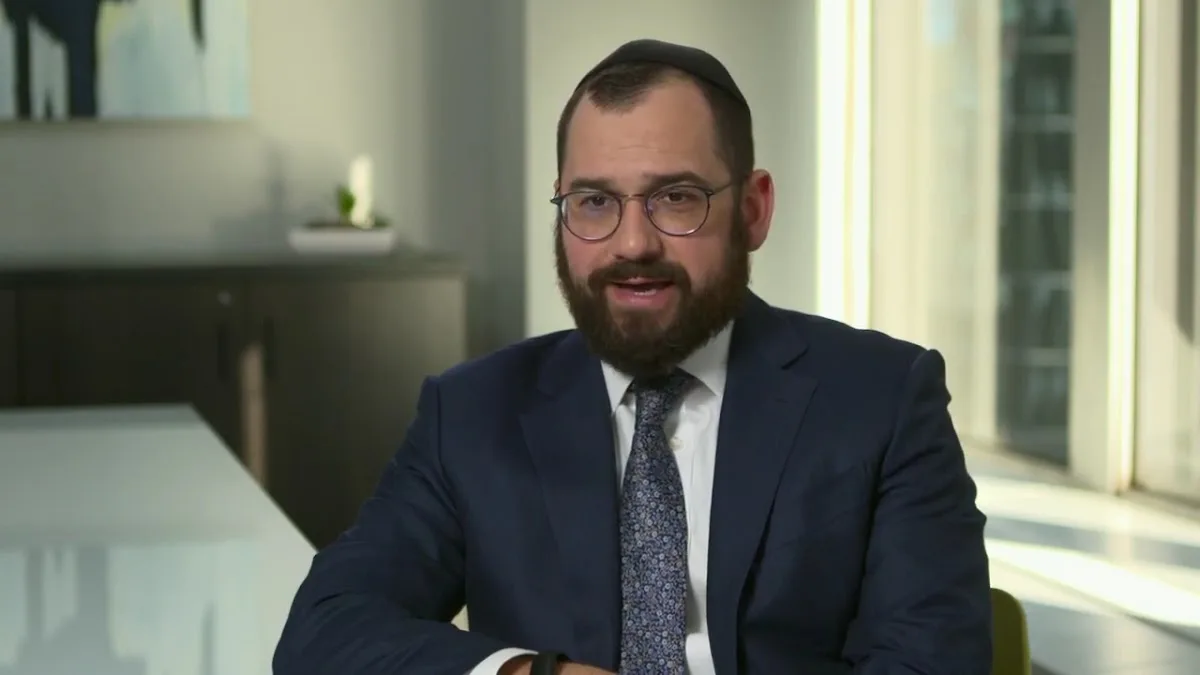
What the first intake conversation usually covers
Most personal injury consultations follow a consistent structure. The goal is to build a factual timeline and identify potential sources of evidence. During the visit, the firm typically works to clarify:
- How the incident occurred: what happened immediately before and during the accident.
- Medical documentation: what diagnoses were made, what treatment began, and whether referrals or imaging were completed.
- Property and safety details: for premises cases, what conditions existed and whether they were reported.
- Employment and wage impact: for workplace-related injuries, how time away affected work and income.
- Insurance involvement: whether any coverage is already in play and what communications have occurred.
This information helps the firm assess claim strength, identify responsible parties, and determine what evidence should be requested or preserved.
Fee structure and consultation expectations
Shulman & Hill handles personal injury matters using a client-focused intake model. Based on available information, the firm’s approach includes contingency fee considerations and the ability to coordinate consultations in a way that accommodates clients’ circumstances.
During the initial meeting, clients can discuss the practical questions that matter most: what steps will be taken next, what documents are needed, and how the legal process generally proceeds from investigation to negotiation and, when necessary, litigation.

What to bring before your visit
Arriving prepared can make the consultation more productive. While every case has unique details, these items commonly help attorneys evaluate a personal injury claim:
- Incident basics: the date, time, and exact location of the accident.
- Contact information: names and phone numbers for witnesses (if available).
- Medical records: discharge papers, imaging reports, and a list of medications.
- Billing and proof of expenses: documentation of out-of-pocket costs and ongoing treatment needs.
- Employment information: pay stubs, time sheets, or notes about missed work (if applicable).
- Any reports or photos: police reports, incident reports, and photographs of the scene.
- Insurance communications: letters, emails, claim numbers, and adjuster call notes.
If documents are incomplete, that does not automatically disqualify a case. The consultation can establish what is missing and whether additional records need to be requested.
Time matters: New York deadlines and why early action helps
In New York, many personal injury claims are subject to a statute of limitations, which sets a deadline for filing a lawsuit. Missing that deadline can prevent a case from moving forward, even when liability appears clear. The exact deadline can vary depending on the type of claim and the parties involved.
For many injured people, the practical takeaway is to seek legal guidance early. Early review allows time to preserve evidence, document injuries as treatment progresses, and identify potential defendants before evidence becomes harder to obtain.

Frequently asked visitor questions
Can the consultation be remote?
For clients who prefer not to travel or who have scheduling and mobility constraints, remote coordination may be possible. The best option depends on the facts of the case and the availability of records.
What if injuries are still developing?
Personal injury claims often reflect both immediate and longer-term effects. The attorney intake process can account for ongoing medical developments and treatment milestones.
How are next steps determined?
After the initial meeting, the firm can outline an evidence plan and discuss whether the claim should move toward negotiation, require additional investigation, or proceed to litigation.
Conclusion
A first consultation with a Manhattan personal injury lawyer is turn a confusing situation into an organized claim evaluation. Shulman & Hill’s visitor guide approach centers on clear facts, medical documentation, and timely action. By bringing key incident and treatment information to the meeting, injured clients can support a faster case assessment and a more focused plan for what happens next.