
Overview: What a first meeting with Kreindler & Kreindler LLP typically covers
Kreindler & Kreindler LLP is a New York personal injury law firm located at 485 Lexington Avenue (28th Floor). A first consultation is usually turning an injury story into a structured case timeline—what happened, when it happened, how it affected daily life, and what evidence exists (medical records, photos, witness names, and communications). For many injured people, the goal of the meeting is not just to answer “Is there a case?” but to identify the strongest claim theories early and understand the documentation needed to support them.

Where the firm is located and how to plan your visit
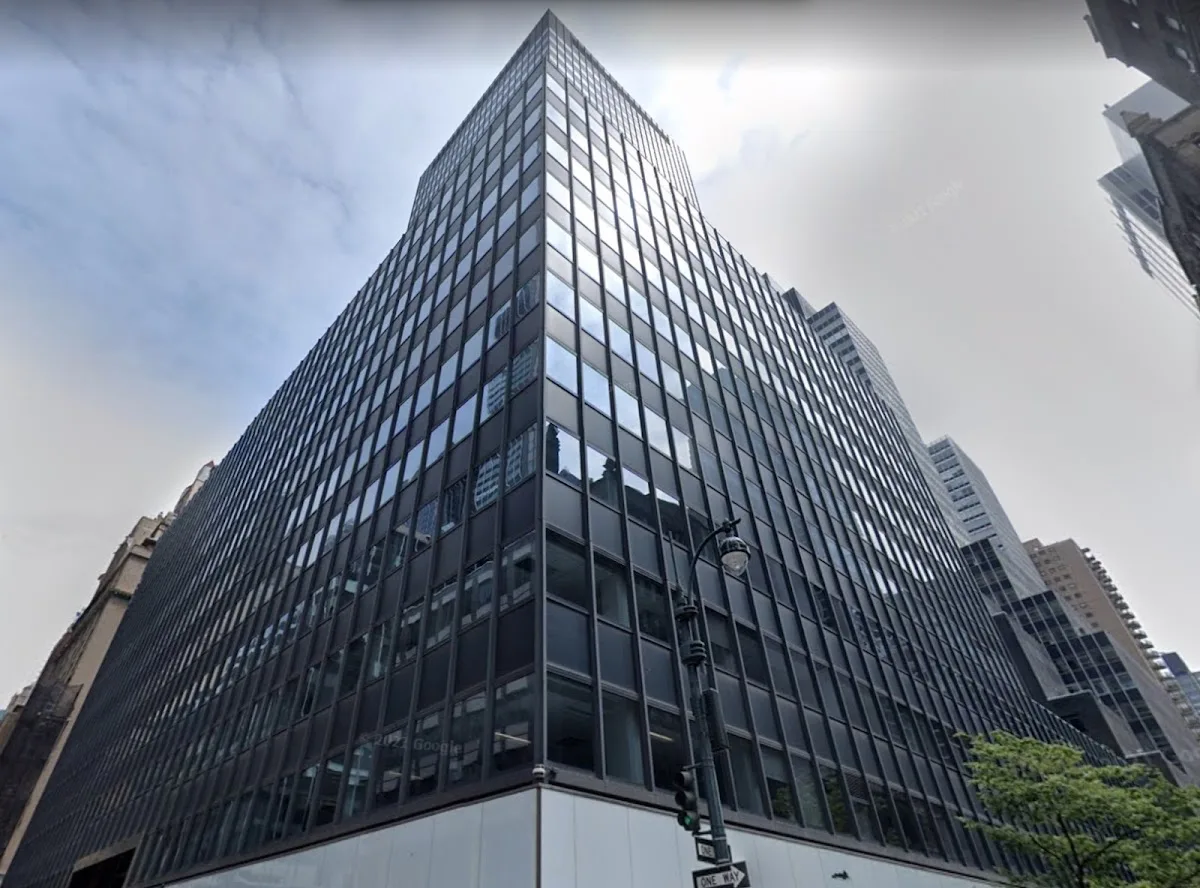
For people who are able to travel, planning matters—especially when you have follow-up medical appointments or mobility limitations. The firm’s listing places the office in Midtown Manhattan, with the address shown publicly as 485 Lexington Avenue, 28th Floor, New York, NY 10017. When preparing to visit, bring a list of the best way to reach you quickly after the meeting and consider allowing time for building entry procedures, elevators, and any security checks.
If in-person travel is difficult, many law firms operating in New York can also discuss matters by phone or virtual formats. The intake process generally still requires the same core information: the parties involved, the incident date, and what treatment has been pursued since the injury.

Fee expectations and consultation structure
In personal injury matters, fee arrangements often influence how quickly evidence can be gathered and how promptly negotiations or litigation steps can begin. Kreindler & Kreindler LLP’s public information indicates “free unless we win,” which reflects a contingency fee framework commonly used in injury litigation. In that model, clients generally pay attorney fees only if the case reaches a recovery.
During the consultation, the lawyer or intake team will typically explain how costs may work (for example, expenses tied to records requests, expert review, or filing) and what communication looks like as the matter moves forward. Having your documentation organized before the meeting can shorten the time needed to review facts and help clarify next steps.
What to bring to the first meeting (checklist)
To make the consultation productive, prepare a simple packet—digital or paper—that answers the questions a case team will likely ask. Consider bringing:
- Incident timeline: date, approximate time, location, and what you remember immediately afterward.
- Medical documentation: diagnosis summaries, discharge papers, prescriptions, imaging reports, and the names of treating providers.
- Proof of impact: work restrictions, missed shifts, ongoing symptoms, and notes on how the injury affected daily activities.
- Evidence: photos of the scene or injuries, videos, incident reports, and any correspondence with insurers.
- Witness and contact information: names, phone numbers, and email addresses where available.
- Insurance details: who was involved and any policy information you have been given.
If you do not have everything yet, that is common. The consultation usually helps identify what is missing and what records can be requested or collected next.
How New York injury cases are evaluated: early steps that matter
Although each personal injury claim is fact-specific, strong case preparation often begins with correlating the incident with medical outcomes. In New York, case teams commonly look at:
- Liability fundamentals: who had a duty and what actions or conditions caused the harm.
- Medical causation: whether treatment aligns with the injury described and when symptoms began.
- Damages: economic losses (such as medical expenses and lost wages) and non-economic harms (pain, limitations, and reduced quality of life).
- Evidence availability: records retention, witness statements, and documentation that supports the timeline.
Depending on the claim type—auto accident, premises injury, workplace injury, medical malpractice, or product liability—some evidence priorities can shift. The first meeting often clarifies which facts are most critical for the specific theory under consideration.
Statute of limitations note for New York injury claims
New York law includes time limits, known as statutes of limitations, for filing certain personal injury lawsuits. Missing a deadline can limit legal options, so it is important to discuss timing as early as possible after an injury. A consultation typically covers relevant deadlines based on the facts and claim type.
Representative outcomes from case reviews: focusing on communication and documentation
Clients often describe the process as stressful, especially when documentation feels overwhelming. Reviews associated with the firm commonly emphasize communication during complicated paperwork and a steady approach to gathering the information needed to support a claim. In practice, this means the case team may help identify where records exist, what questions need to be answered, and how to present the facts clearly as the matter progresses.
Preparing a clear narrative—paired with medical records and incident details—can make it easier to evaluate the strongest path forward.

After the visit: what typically happens next
After the initial meeting, a case team generally reviews the documents provided, requests additional records if needed, and confirms the best claim structure. If the firm determines that a contingency fee representation is appropriate, the next steps often involve securing medical documentation, identifying potential witnesses, and preparing for settlement discussions or litigation.
For many clients, the practical takeaway is straightforward: bring your timeline, bring your medical records, and keep notes of symptoms and treatment dates so the case can reflect how the injury developed over time.