Overview
About this firm
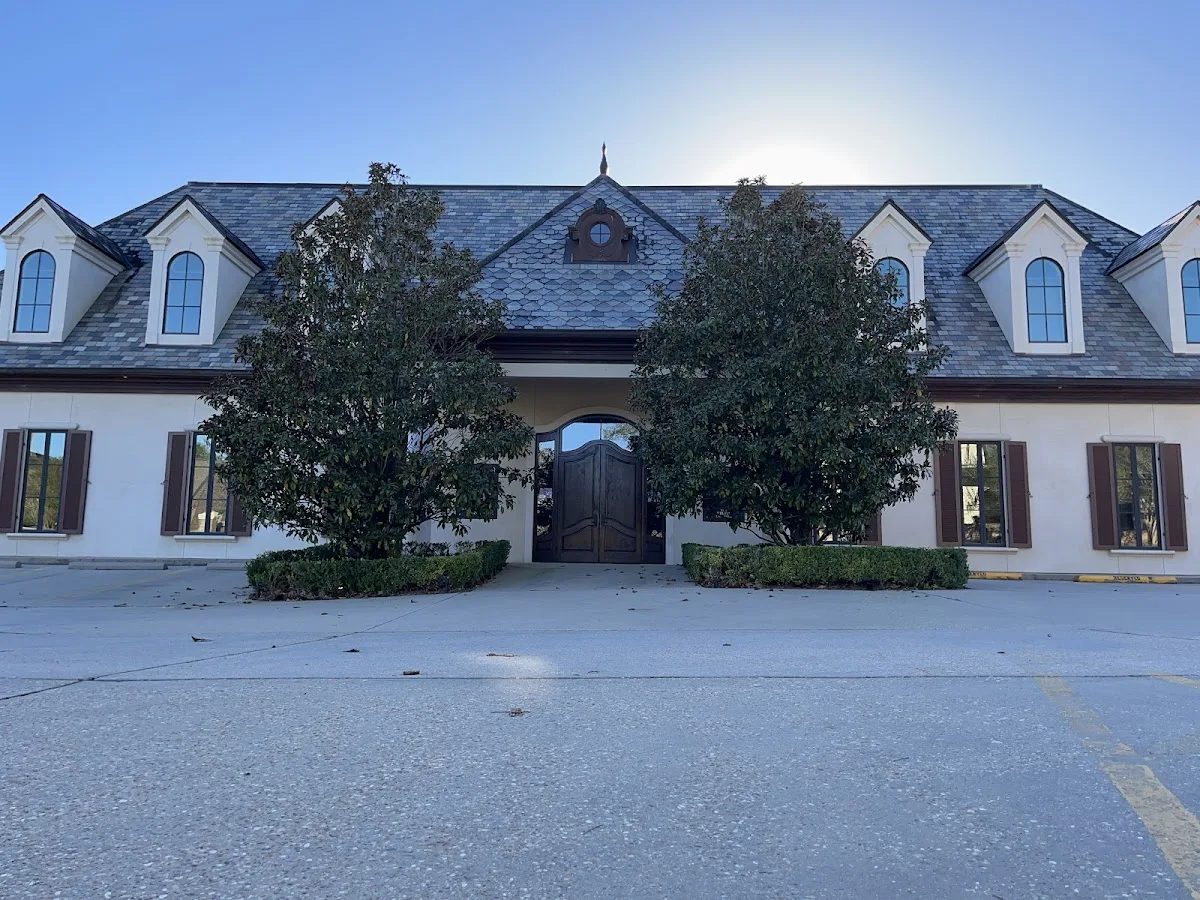
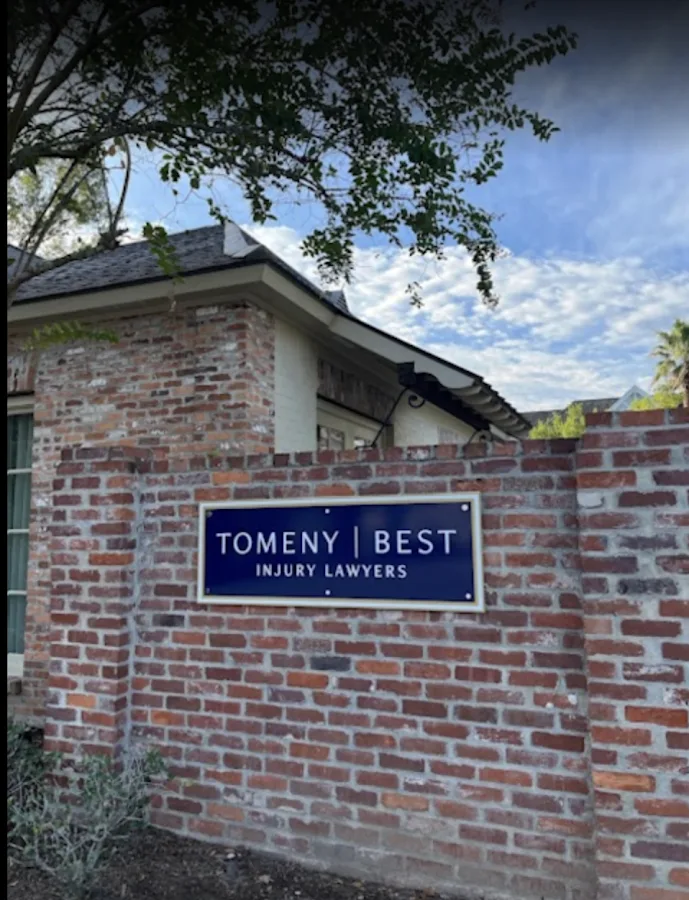
Locke Meredith, Sean Fagan & Associates provides personal-injury law services in Baton Rouge, LA. Its business information highlights General Personal Injury, Top Rated, and practice-area fit. The location is shown at 1300 Millerville Rd, Baton Rouge, LA 70816. Customer feedback averages 5.0 stars across 343 reviews. A phone number and website are available for current service, pricing, and scheduling questions.
The available service information for Locke Meredith, Sean Fagan & Associates covers General Personal Injury, Top Rated, practice-area fit, consultation terms, and case intake questions within personal-injury law. A useful first step is to describe the specific need, location, preferred timing, and any constraints that could affect the work or appointment.
The street address shown for the business is 1300 Millerville Rd, Baton Rouge, LA 70816. An average rating of 5.0 is shown from 343 customer reviews. Direct contact is available by phone and through the company website. Review recent terms and contact information directly when timing, travel, documents, property access, or payment details matter.
Before arranging service, ask which attorney or intake team reviews the matter, which case types are accepted, what deadlines may matter, and how fees and consultation terms are explained. Legal, tax, or document decisions should be reviewed with a qualified professional who understands the specific matter. Clear written answers make it easier to compare the offering with the specific need.