
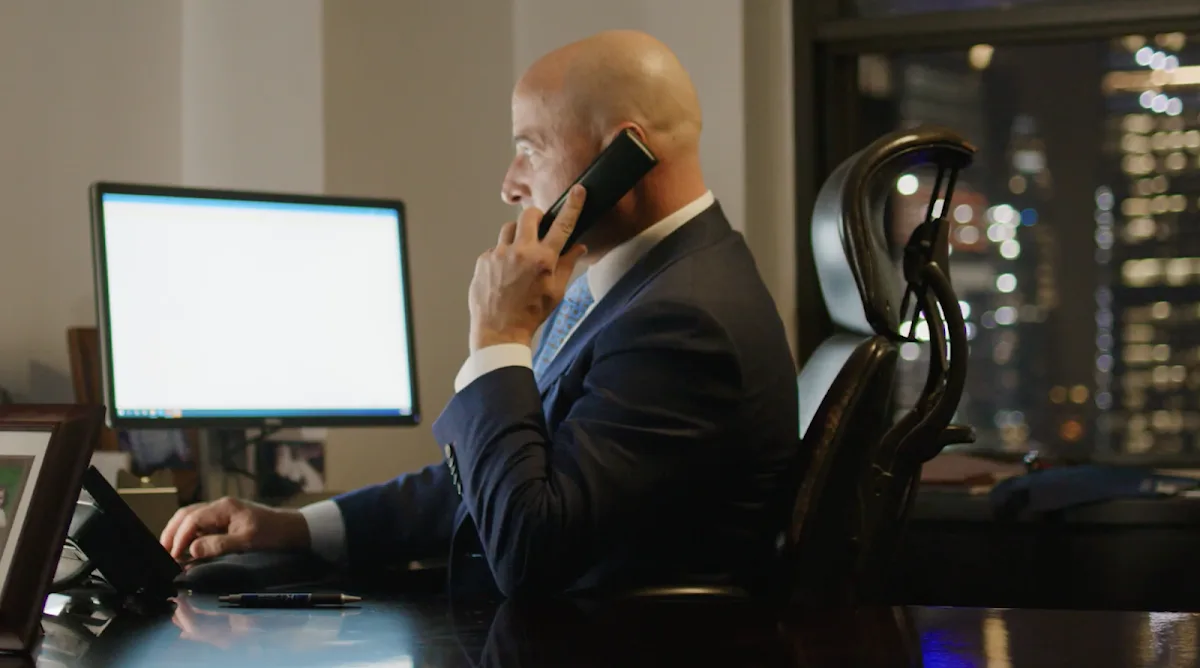
The Rothenberg Law Firm Accident And Injury Lawyers assists New York clients after serious crashes and other injury events that may involve medical treatment, disputed fault, and insurance claims. For people who are deciding whether to pursue legal options, a clear intake process can reduce confusion during a stressful recovery period. This visitor guide explains how a typical client-facing appointment and case review can work, what information is commonly requested, and how time limits under New York law can affect an injured person’s decision-making.

1) What kinds of injury matters the firm handles
Car accident and injury claims
Injury claims in New York commonly involve disputes over who caused the crash, the severity of injuries, and which losses are compensable. The Rothenberg Law Firm Accident And Injury Lawyers accident and injury litigation, which can include investigating collision circumstances, reviewing medical records, and preparing the claim for negotiation or courtroom proceedings when needed.
Related accident and harm issues
Accident cases often overlap with other legal and factual questions, such as whether a property defect contributed to an injury, whether a vehicle was properly maintained, or whether an insurer is disputing the extent of damages. During intake, the firm can clarify the best path forward based on the specific harm and available evidence.
2) How intake and communication typically works
Most accident clients reach out because they need help documenting what happened, understanding potential claim value, and responding to communications from insurance adjusters. The firm’s client-facing process generally centers on gathering a reliable timeline, identifying available evidence, and matching the case to the attorney review workflow. Prospective clients can expect the firm to ask targeted questions about the incident, treatment history, and the ways the injury affected daily life and work.

3) Fee model and what clients should expect during the consultation
The firm’s published materials and review signals indicate a contingency-based approach for qualifying injury claims. Under a contingency fee arrangement, the fee is generally tied to the outcome of the matter, which clients manage legal costs while focusing on medical recovery. During consultation discussions, attorneys can explain how contingency fees apply, what expenses may be involved, and what happens if the case cannot be pursued.
Clients in need of guidance after an accident may also ask practical questions such as: whether the firm can evaluate the claim based on current records, how early deadlines can affect the next steps, and what communications should be handled directly versus through counsel.
4) Key information to bring (or prepare) before meeting
Before a first legal consultation, injured people can improve the usefulness of the attorney review by organizing evidence and answering factual questions consistently. Common items include:
- Incident details: date, time, location, and a short description of what happened.
- Identification of involved parties: drivers, vehicle details, and contact information where available.
- Police reports or accident summaries: report number, responding agency, and any diagrams.
- Medical documentation: emergency visit notes, diagnoses, imaging reports, treatment plans, and follow-up records.
- Financial and work-impact records: pay stubs, proof of time missed, invoices, and out-of-pocket expenses.
- Insurance communications: letters, emails, recorded statements, or claim numbers.
- Photographs and witness information: photos of the scene, vehicle damage, and any witness contacts.
5) Time limits that can matter in New York injury cases
Injury claims are often time-sensitive, and New York law contains statutes of limitations that can affect when legal action must be filed. The appropriate deadline depends on the type of claim and the facts of the case, so it is important to discuss timing during intake. Gathering records promptly ensure that evidence is still available and that a client’s options are not narrowed by missed deadlines.
6) Next-step expectations after a car accident
After an accident, injured clients frequently need help handling insurance adjuster communications and clarifying what documentation is most important. A practical legal intake can also reduce the risk of leaving key evidence uncollected. Following consultation, the firm’s legal team typically evaluates liability issues, assesses damages supported by medical evidence, and determines whether early negotiation or litigation is more appropriate for the situation.
For anyone considering representation after a New York accident, this guide preparing the facts and documents that attorneys use to evaluate injury claims. The Rothenberg Law Firm Accident And Injury Lawyers can then review the available information and explain how the next steps may be structured based on the case’s timeline and evidence.