

Overview: what a first meeting is meant to accomplish
After a construction-related injury or an incident involving on-site hazards, the next steps can feel overwhelming. A first meeting with The Perecman Firm, P.L.L.C. is typically turning early facts into a clear starting point for a potential claim. That usually means identifying the type of accident, confirming who may be responsible, and organizing the information needed to support the version of events. For many injured people, the most helpful early outcome is knowing what to document immediately and what questions a legal team will need answered.
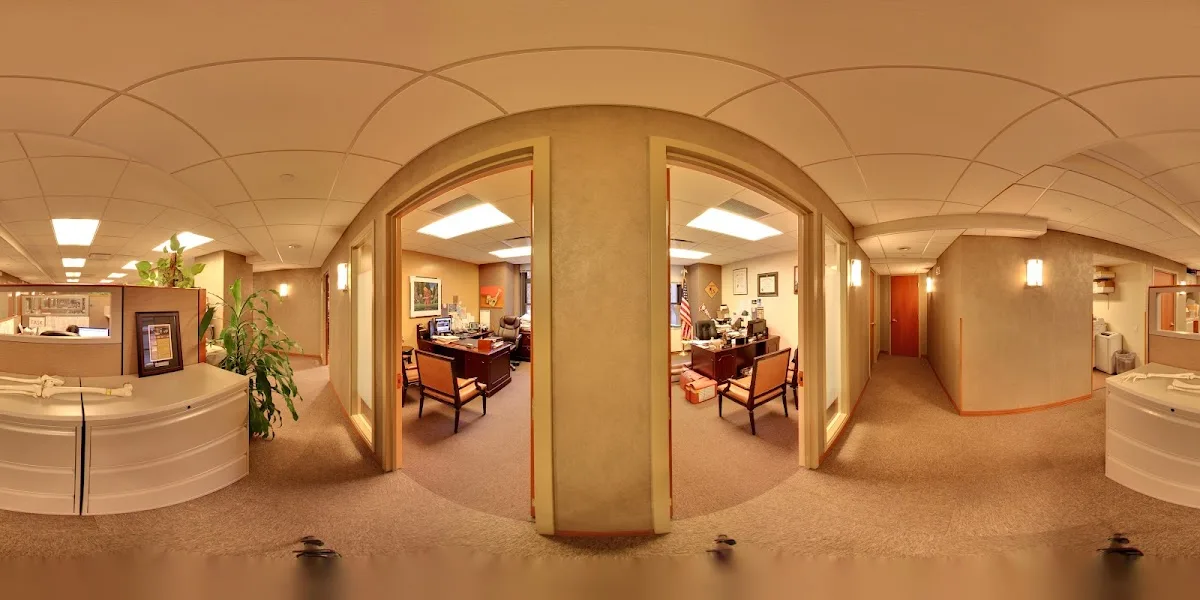
The firm’s focus in New York construction injury matters
The Perecman Firm, P.L.L.C. represents clients facing serious consequences from workplace and construction accidents in New York. In these cases, liability can involve multiple parties, including general contractors, subcontractors, equipment suppliers, and site conditions. A careful review of safety practices, job-site procedures, and incident documentation is often necessary to understand how the accident occurred. The firm’s approach is focus on the factual record and the legal elements that typically need to be established for a claim to move forward.
How an intake often starts: describing the incident clearly
Prospective clients are usually asked to explain what happened in plain terms. That narrative matters because it becomes the foundation for the next stage of evidence gathering. In many situations, the details that feel minor at the time—such as where the person was standing, what safety barriers were in place, and whether any warnings were posted—can become important later when a claim is assessed.
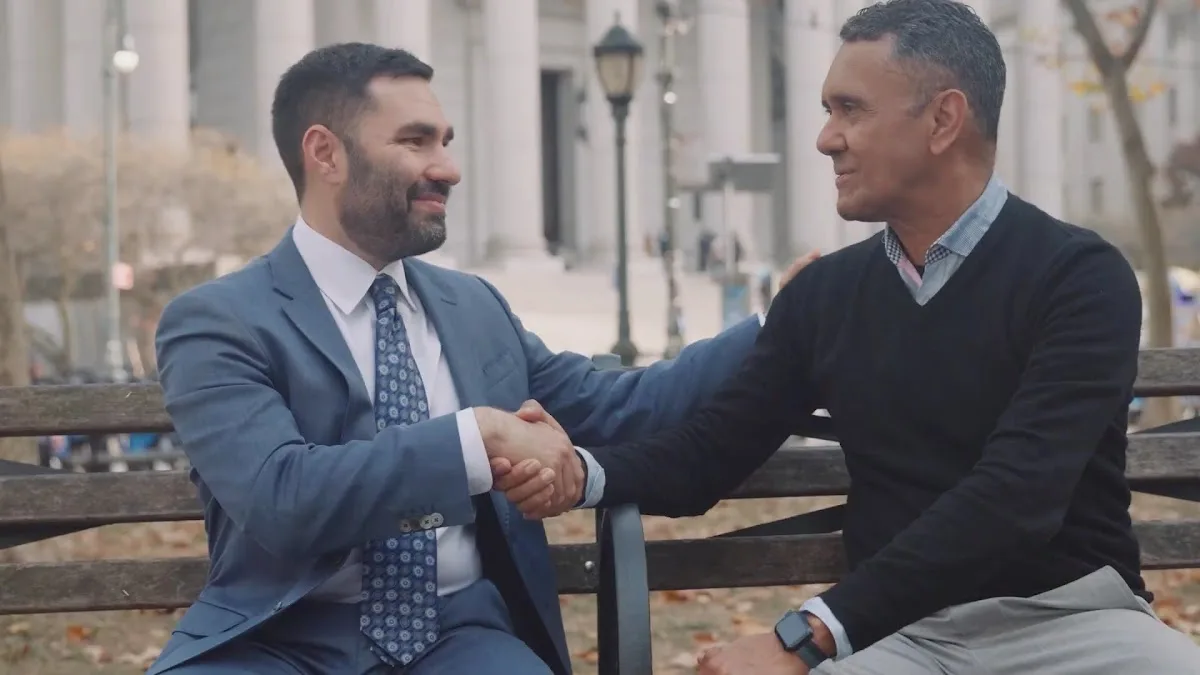
Fee model and client communication expectations
Attorney-client conversations in personal injury matters often include questions about cost and communication. The available information for The Perecman Firm, P.L.L.C. indicates a contingency / hourly fee structure. That means the financial arrangement can depend on how the case is handled and what stage it reaches. Prospective clients should expect to discuss their specific situation, including what documentation exists and what support may be needed from medical professionals or experts.
For visitors, another practical point is communication style. Many law firms provide updates through phone calls or written messages, but the best practice is to confirm the method used for time-sensitive updates such as additional document requests, questions from insurers, or scheduled statements.
What to bring to a consultation (a checklist)
To make the first meeting as productive as possible, it helps to bring the materials that can support the timeline. While each matter differs, the following items are commonly useful for construction and injury claims:
- Identification and contact information for the injured person and any key witnesses
- Medical records related to the incident, including diagnosis notes and treatment summaries
- Incident details such as date, time, location on the job site, and who was present
- Photos or video taken at the time (equipment, work area, hazards, barriers, or signage)
- Work-related information such as employer and job assignment details
- Any communications from employers, insurance adjusters, or safety officers
- Pay and employment documents if time away from work is part of the harm
Having these items organized—physically or digitally— the legal team identify gaps and determine what follow-up steps are needed.
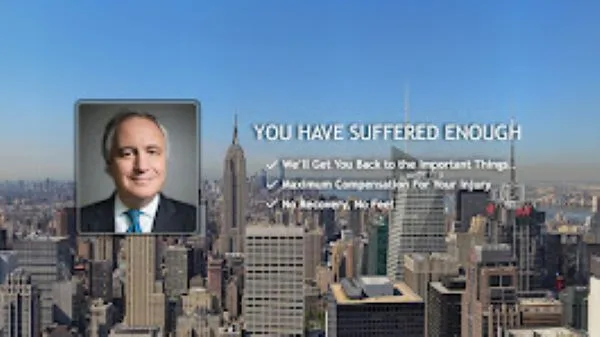
Time limits to know in New York (statute of limitations)
In New York, time limits can affect whether a claim is filed. For many personal injury matters, the basic statute of limitations is commonly described as three years from the date of injury. However, construction-related cases may involve additional considerations that can influence timing, such as when the injury became known or how the claim is categorized. Because legal deadlines can be sensitive, it is important to get guidance promptly after an accident so the timeline can be evaluated based on the specific facts.
When available, the firm can also help visitors understand what evidence should be preserved right away, which can be particularly important for job sites where conditions change quickly.
How to prepare your questions for the first call or visit
Visitors often benefit from writing a short list of questions before reaching out. Useful questions may include:
- What facts look most important based on the initial description of the incident?
- Which records would most strengthen the claim?
- How does the firm approach liability when multiple parties were involved?
- What timeline is realistic for investigation and next steps?
- What costs, if any, should be expected under the fee arrangement?
By preparing these questions and bringing relevant documents, prospective clients can use the first meeting to build a practical plan for how information will be collected, reviewed, and used moving forward.