A collision involving a commercial truck can leave an injured person trying to make sense of medical care, vehicle damage, time away from work, and a complicated sequence of events. Choosing whom to contact does not require deciding who was legally at fault first. A useful first step is to organize what is known and ask how an attorney would evaluate the specific accident. Stephen Law Group’s website identifies commercial truck accidents among its personal-injury matters and describes situations involving delivery drivers, driver fatigue, and jackknife collisions. Those examples offer a focused starting point for a conversation, not a prediction about any individual claim.
Match the accident facts to the firm’s published examples
Before speaking with an attorney, write a short, neutral account of the collision: when and where it happened, the vehicles involved, the direction of travel, and what was observed immediately before impact. Distinguish direct observations from assumptions. If the truck was making a delivery, appeared to change lanes, or overturned, include what was actually seen and how that detail is known. The firm’s public description names delivery-driver negligence, fatigue, and jackknife crashes as possible truck-accident scenarios. A prospective client can use those examples to ask whether the firm reviews a collision with similar facts and what additional information would help assess fit.
Stephen Law Group also says it has represented clients against large trucking companies, including FedEx. That is a statement about the firm’s published experience, not proof that another company or driver was responsible in a different case. Ask which attorney would review the matter, what kinds of truck-related claims the firm considers, and whether the facts or location create any limits on representation.
Build a record without trying to prove the case yourself
Keep copies of documents already available: the incident or police report, photographs, insurance correspondence, repair estimates, and records from medical visits. A basic timeline can note the collision, when symptoms appeared or changed, appointments, and time missed from work. Preserve original files when possible and label copies with dates. If another person witnessed the crash, note their name and contact information if it was voluntarily provided. Do not put off medical care while collecting paperwork; health concerns belong with a qualified medical professional.
Medical records can help explain what treatment occurred and when, but a patient does not need to interpret them as evidence of legal fault. Bring a list of treating providers and relevant dates, and ask what documents are useful for an initial review. If a record is missing or an insurer is requesting information, describe the request and its deadline rather than guessing about the legal effect. The firm’s website says truck cases can involve personal injuries, lost wages, and lasting impairments; whether any category applies depends on the particular facts and supporting information.
Ask how a truck claim will be evaluated
Truck collisions may involve more than one vehicle or company, and the right questions depend on the evidence. Ask what facts the attorney would need to assess how the collision occurred, which parties may need to be considered, and what records should be gathered next. If fatigue, delivery activity, or a jackknife is suspected, explain the basis for that concern without presenting it as a proven cause. Ask how the firm distinguishes an initial account from findings that still require investigation.
It is also reasonable to ask how updates are handled, who would be the main contact, and how the firm explains fees and any costs. The firm’s contact page advertises a free consultation, but prospective clients should confirm the current terms and what the consultation covers directly. No public case example can establish the likely value or outcome of another person’s injury claim.
Use contact and review details as starting points
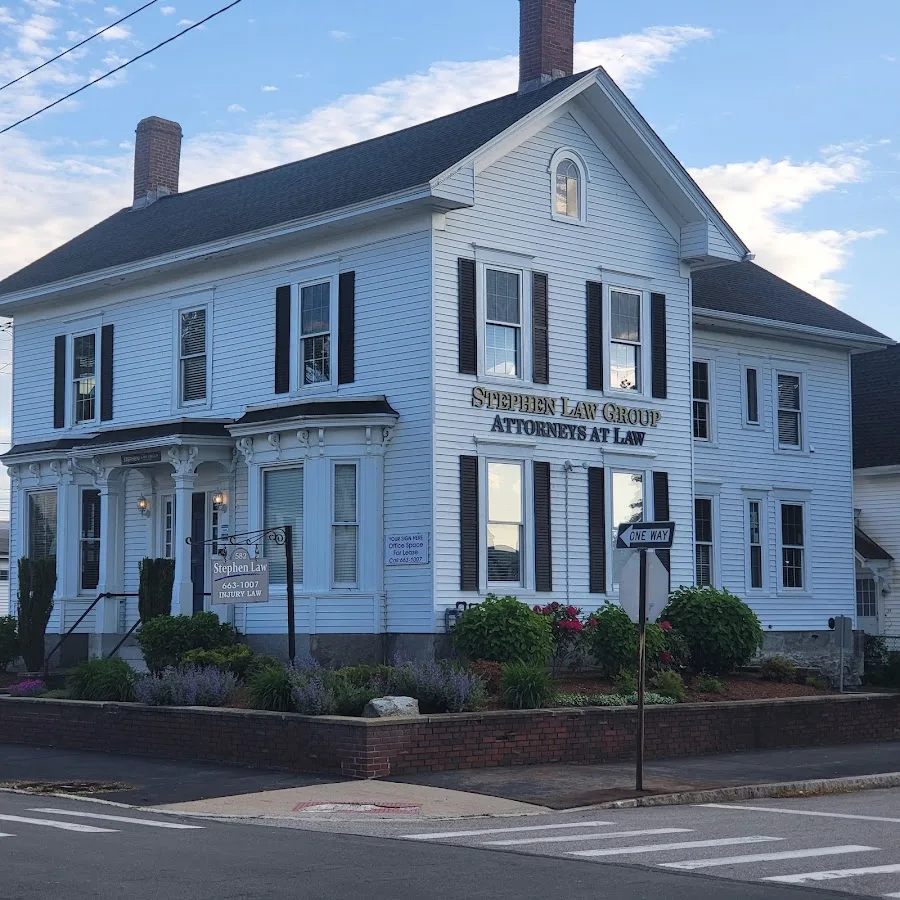
The firm lists its Manchester office at 582 Chestnut St, Manchester, NH 03104, and its official contact page gives (603) 663-1007 as a phone number. Its contact page also provides an online contact form. These details can help someone identify the right route for an inquiry; confirm current contact and appointment arrangements directly before relying on them. The local listing shows a 4.9 rating from 246 reviewers. That is a snapshot of public feedback, not a measure of legal fit, the handling of a particular truck accident, or a promised result.
For the first conversation, a concise account, available medical records, and specific questions will usually be more useful than a conclusion about liability. The purpose is to understand whether the firm is willing to review the circumstances, what information it needs, and what the next step would be. Each claim turns on its own evidence and applicable rules, so avoid treating website examples or online reviews as a substitute for advice about the individual situation.