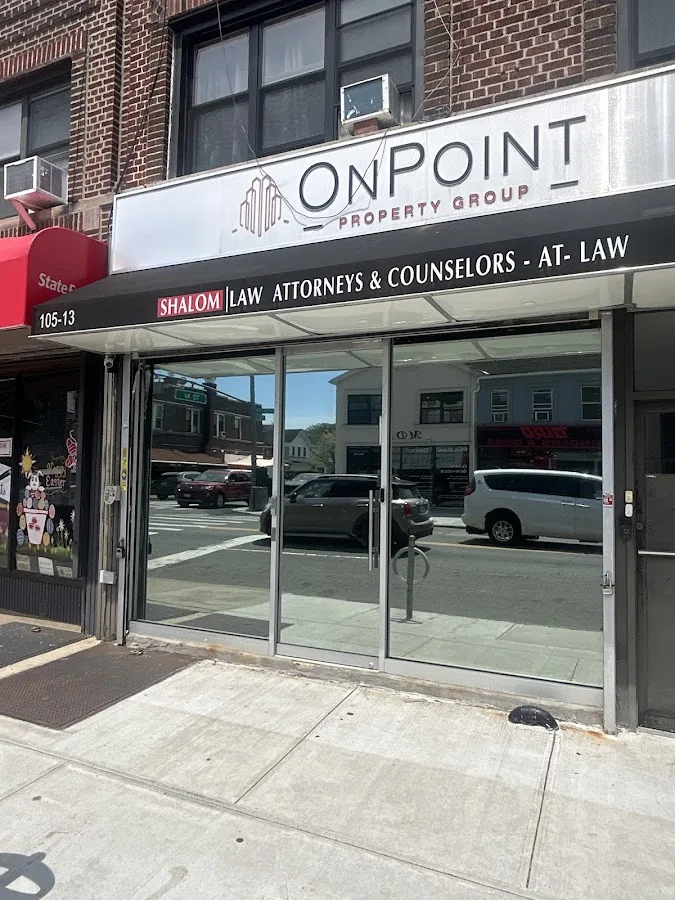
Overview: meeting a personal injury lawyer in Queens
After a car crash or another injury event, many people feel unsure about what steps come next. A consultation with a personal injury lawyer is meant to bring clarity: the lawyer reviews the facts, identifies possible legal claims, and explains the next stages of an injury case in plain language.
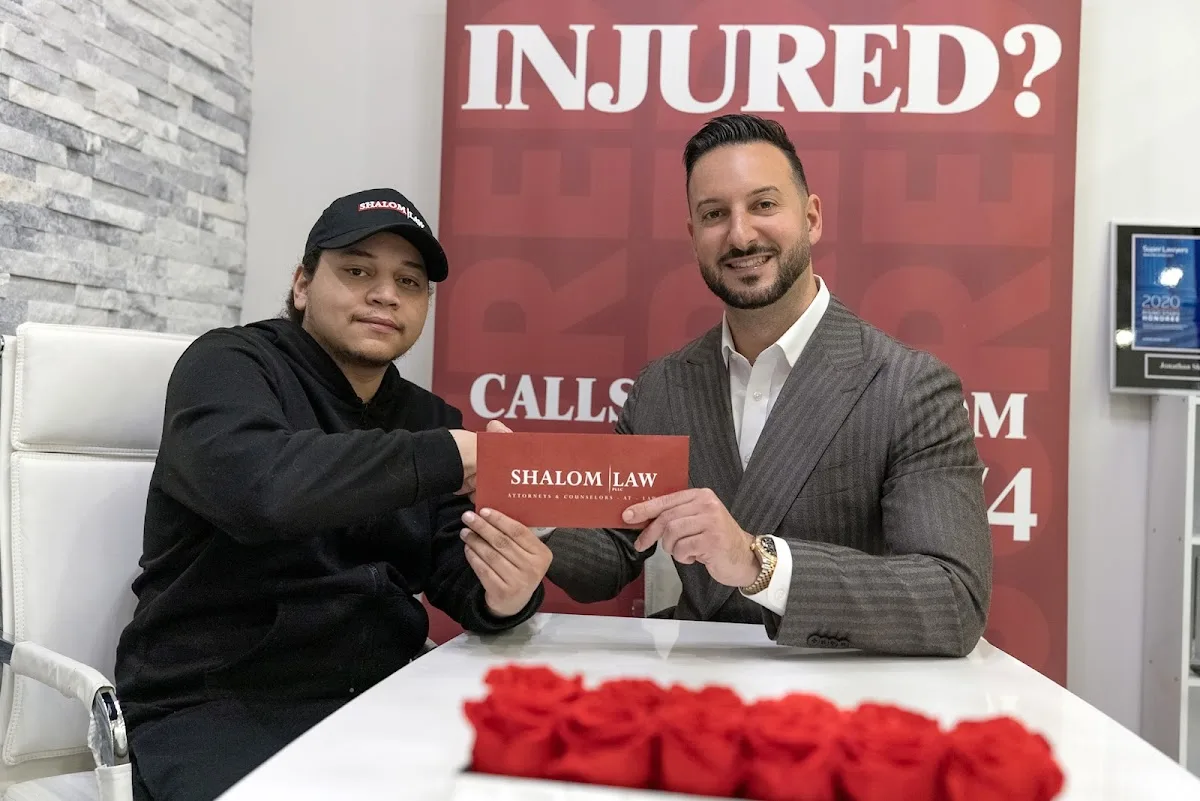
What Shalom Law handles after accidents
Shalom Law - Queens Car Accident & Personal Injury Lawyers represents clients who are navigating serious consequences from crashes and related injuries. Typical matters in this area can include claims for injuries sustained in motor vehicle accidents, discussions about wrongful death when applicable, and guidance on how insurance and other parties may respond to an injury claim.
How initial information shapes next steps
During the first meeting, the focus is often on building an accurate timeline: what happened, where it happened, what injuries were identified, and how the event affected day-to-day life. The lawyer can then explain which issues may be strongest for negotiation or litigation and which details require additional documentation.
Consultation expectations: structure and communication
In many personal injury matters, the consultation helps set expectations for both parties. The attorney typically reviews the client’s statement and available evidence, asks targeted questions about medical treatment and impact on normal activities, and outlines what information is needed to evaluate liability and damages.
Fee and client intake considerations
For injury cases, representation is commonly handled on a contingency or mixed model, meaning the client is not required to pay traditional hourly legal fees out of pocket in the same way as hourly billing. The exact approach depends on the case facts, but the consultation is the place to confirm the fee structure and discuss how costs may be handled as the matter progresses.
What to bring to your appointment
Bringing organized information can reduce delays and help the attorney assess potential claims quickly. Consider gathering the items below before the meeting:
- Any photos or video from the scene (vehicle positions, signage, weather, and visible damage)
- Medical records and discharge paperwork, including doctor notes that describe diagnoses and limitations
- Information about treatment dates, prescriptions, and follow-up appointments
- Insurance communications, including claim numbers and written responses
- Witness names and contact details, if available
- A list of expenses related to the injury (copays, medication, transportation to appointments)
- Documents showing time missed from work or changes in daily routine
Key legal timing: statute of limitations in New York
One of the most important pieces of case strategy is timing. In New York, many personal injury claims are subject to a statute of limitations—meaning a deadline for filing a lawsuit. If that deadline passes, it can severely limit or bar recovery regardless of how serious the injuries are.
Because deadlines can vary depending on the claim type and the identity of the responsible party, a consultation should also address how the timeline applies to the specific event. Your attorney can explain what the relevant deadline is and how quickly evidence may need to be gathered.
After the meeting: how the case often develops
Once the attorney has a clear picture of the facts, the next phase may involve investigating additional evidence, requesting records, and documenting medical and financial impacts. If negotiations with insurance parties do not resolve the matter, the case may proceed toward litigation.
For many clients, the most helpful communication is consistent updates: what has been received, what is being requested, and what deadlines the legal process requires. A structured consultation can set the tone for that communication.
Questions worth asking during your visit
To make sure the consultation meets your needs, consider asking:
- What legal claims appear most viable based on the facts provided?
- What additional evidence is most important to gather?
- How might insurance respond, and what is the typical next step?
- What deadlines apply to this situation?
- How will the case be communicated and updated as it progresses?