

Overview: Visiting Mikhail Yadgarov & Associates, P.C.
Mikhail Yadgarov & Associates, P.C. is a personal injury law firm in Brooklyn, New York, located at 1111 Avenue U (2nd Floor), near everyday transit and neighborhood services. The firm handles a range of personal injury matters and is set up to meet with prospective clients who need help evaluating claims and coordinating next steps. For visitors, the key is preparation: bringing accurate details about the incident, medical treatment, and communications can make the first meeting more productive.
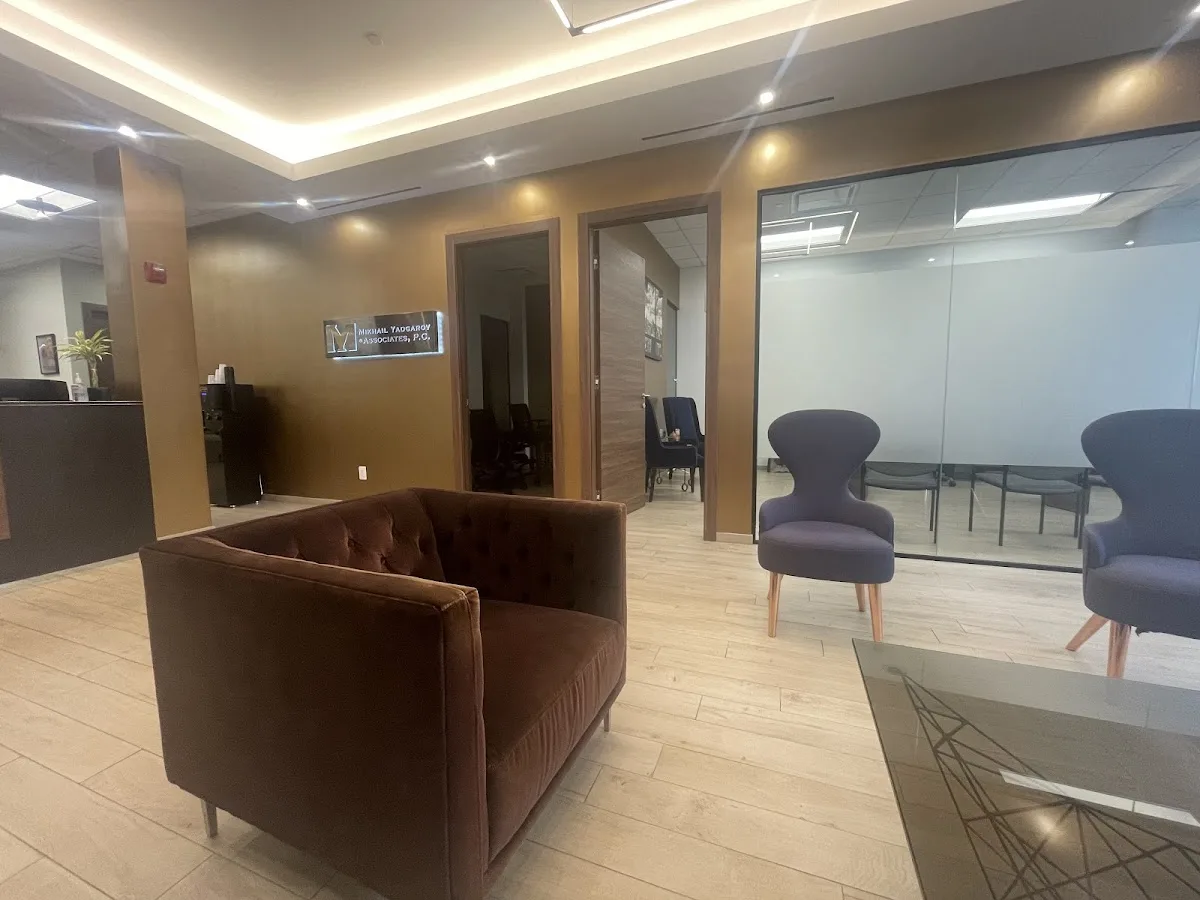
What the firm in personal injury cases
Personal injury cases often start with a basic question: what happened, who is alleged to be responsible, and what losses resulted. Mikhail Yadgarov & Associates, P.C. operates as a general personal injury practice, meaning visitors can generally expect an intake discussion organize the incident timeline, identify potential parties, and connect the injury to medical documentation. Depending on the facts, the firm may discuss claims involving car accidents, premises liability, workplace injuries, or other injury matters.
Fees and case evaluation: how intake is commonly structured
In personal injury matters, fee arrangements are commonly contingency-based, where payment is tied to the outcome. Review patterns for this firm’s listing indicate a contingency approach for eligible matters and a consultation process that may include virtual options. Visitors who are still deciding whether to proceed can use the first meeting to clarify how the case will be evaluated, what documents are necessary, and what typical timelines look like for the next steps.

Representative notes you can plan for before the meeting
Prospective clients usually want confidence that their information will be handled carefully. From the firm’s publicly listed details and review summary signals, visitors can expect a structured intake experience that prioritizes clarity and follow-through. A practical way to reduce uncertainty is to arrive with a concise incident summary, including when and where it happened, what injuries were immediately noticed, who was involved, and what medical steps were taken afterward.
It also helps to be ready for questions about previous injuries, how the injury has affected daily activities, and whether there were any follow-up appointments or imaging. The goal of the first meeting is not to “sell” a case, but to determine whether the facts support a claim and what evidence would matter most.
What to bring to your consultation
Bring the information that helps an attorney evaluate causation, documentation, and damages. At minimum, visitors typically benefit from having the following:
- Identification and contact information for everyone involved (including insurance details, if applicable)
- A written timeline of the incident (date, time, location, and what happened)
- Medical records (visit summaries, diagnoses, imaging reports, and follow-up instructions)
- Proof of related expenses (prescriptions, co-pays, transportation costs, or work-loss documentation)
- Photographs or videos of the scene, injuries, or visible conditions (when available)
- Any communications from insurers, employers, or other parties

New York timing basics: why acting early matters
In New York, many personal injury claims are subject to statute of limitations rules, meaning there are deadlines for filing. Missing a deadline can significantly limit options, even when the incident appears to be serious. Because deadlines can vary depending on claim type and parties involved, the intake meeting is a practical time to confirm which deadline applies to the specific facts of the case. Acting early can also help preserve evidence and support medical documentation.
How to think about your first meeting
The most productive visitor experience usually comes from clear expectations. At the first consultation, focus on understanding what the firm needs from you, what early actions will be taken, and what the likely next steps look like for evidence gathering and medical documentation. With a prepared timeline and a consistent set of documents, visitors the attorney evaluate the case more efficiently and decide whether to move forward.