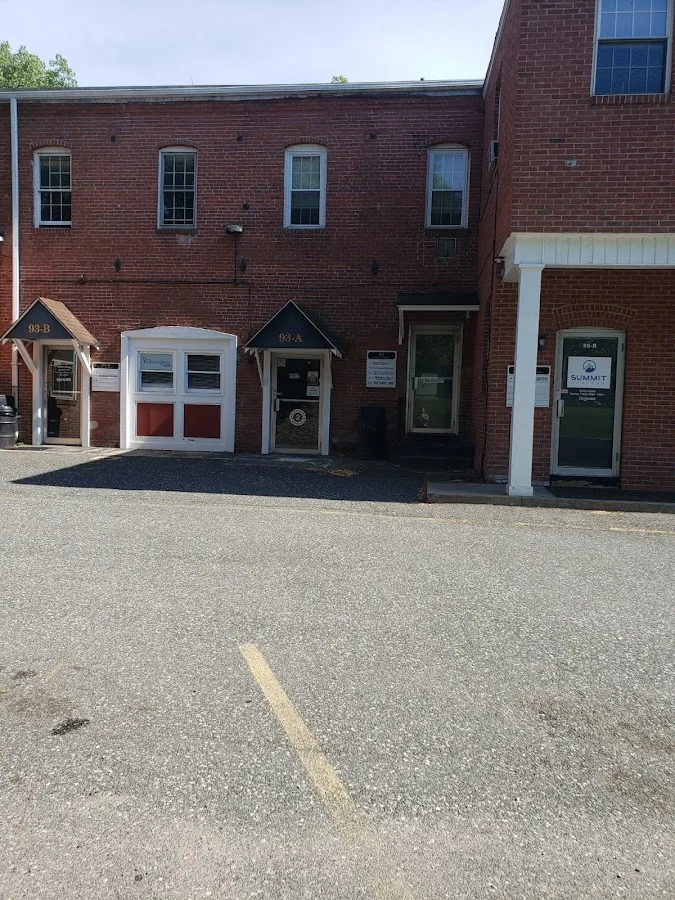
When comparing Michael Kelly Injury Lawyers’ Springfield listing with its website, the first practical decision is where to direct an inquiry. The local listing gives a Springfield address and phone number, while the firm’s website describes it as Boston personal injury lawyers and displays a different number. The available details do not explain how those contact signals relate. Verify the appropriate intake route before visiting or sending sensitive documents.
Check the contact route before planning a visit
The local listing places Michael Kelly Injury Lawyers at 91 Mill St Suite 91K, Springfield, MA 01108, and gives the number (904) 803-7532. The official website, callkellycall4.com, presents the firm as Boston personal injury lawyers and displays (617) 444-4444. These are different location and phone details; neither source, as presented, explains whether the Springfield address is an office for the same intake team or which number is appropriate for a particular inquiry.
The website advertises a free consultation 24/7 and provides an online contact form for a case review. Those are the website’s published intake details, not confirmation that every matter is accepted or that a specific appointment is available. Before traveling or sharing records, ask which contact channel should handle your inquiry and whether an in-person visit is appropriate. If calling, you can first state that you found both the Springfield listing and the Boston-focused website and ask the recipient to clarify the right route.
The local listing also reports a 5.0 rating from 18 reviews. That is a useful detail for identifying the listing, but a rating does not resolve the contact mismatch or establish whether the firm will review an individual claim.
Use the website’s practice list to describe the incident
The firm’s website lists car accidents, wrongful death, Uber accidents, truck accidents, motorcycle accidents, bicycle accidents, slip-and-fall accidents, medical malpractice, and workers’ compensation. This gives a prospective caller a set of categories to use when explaining what happened. A category on the website is not a guarantee that the firm accepts every claim within it, so describe the circumstances rather than assuming that a label establishes eligibility.
For a focused first inquiry, explain the kind of incident, where it occurred, and when it happened, as accurately as you can. For example, distinguish a rideshare trip from another car accident, or explain whether an injury occurred at work or in a fall. If you are uncertain which listed category fits, say so; the firm can tell you whether it reviews that type of inquiry and what information it needs to consider it.
The website describes a general claim process that may involve gathering records, communicating with insurers, filing a lawsuit, negotiation, alternative dispute resolution, or trial. It also cautions that results vary with the facts and legal circumstances. This material provides general context about stages that can arise, not a prediction that any one case will follow each stage or reach a particular result. Ask what the next step would be for your own situation rather than treating the process description or published case results as an expected outcome.
Resolve the fee conflict before discussing representation
The website advertises a free, no-obligation case review. That describes the initial offer on the site; it does not by itself explain the fee arrangement for representation. The local listing contains conflicting fee indicators: its intake attributes include “Contingency Fee,” while its highlights say “Standard / Hourly.” Those entries do not establish which terms would apply to a particular matter.
Ask the firm to explain the consultation’s scope and any proposed fee arrangement directly, including how the terms would be documented if you consider moving forward. Do not infer from either listing field that a specific fee model applies. The useful outcome is a clear explanation of what the initial review covers and what costs or fees, if any, would apply later.
Prepare information that helps the intake conversation
Before making contact, it can help to write down a short chronology: what happened, where and when it happened, and what kind of injury or loss you are asking about. The website’s process description refers to collecting records such as accident information and medical documents. You can ask what, if anything, would be useful to provide at the initial stage; avoid sending sensitive material until you have verified the contact route and understand how it will be handled.
Keep the first conversation focused on three decisions: whether the firm reviews the incident you describe, which contact channel is appropriate given the differing published details, and what the advertised case review and any later fee terms involve. The Springfield location and listing rating, together with the website’s Boston presentation and published practice categories, help identify the details to clarify. Getting direct answers lets you judge whether the next step fits your needs without assuming that an online listing settles the firm’s location, acceptance decision, or fee terms.