
What to expect when you visit Mark E. Seitelman Law Offices
Mark E. Seitelman Law Offices represents individuals in a wide range of accident and injury matters across New York. The firm’s intake process is help injured people organize key facts quickly—such as how the incident happened, what medical care was needed, and what losses followed. For many visitors, the most confusing part of a claim is figuring out which legal issues matter first. A focused first meeting clarify liability questions, document needs, and the next steps for a potential lawsuit.
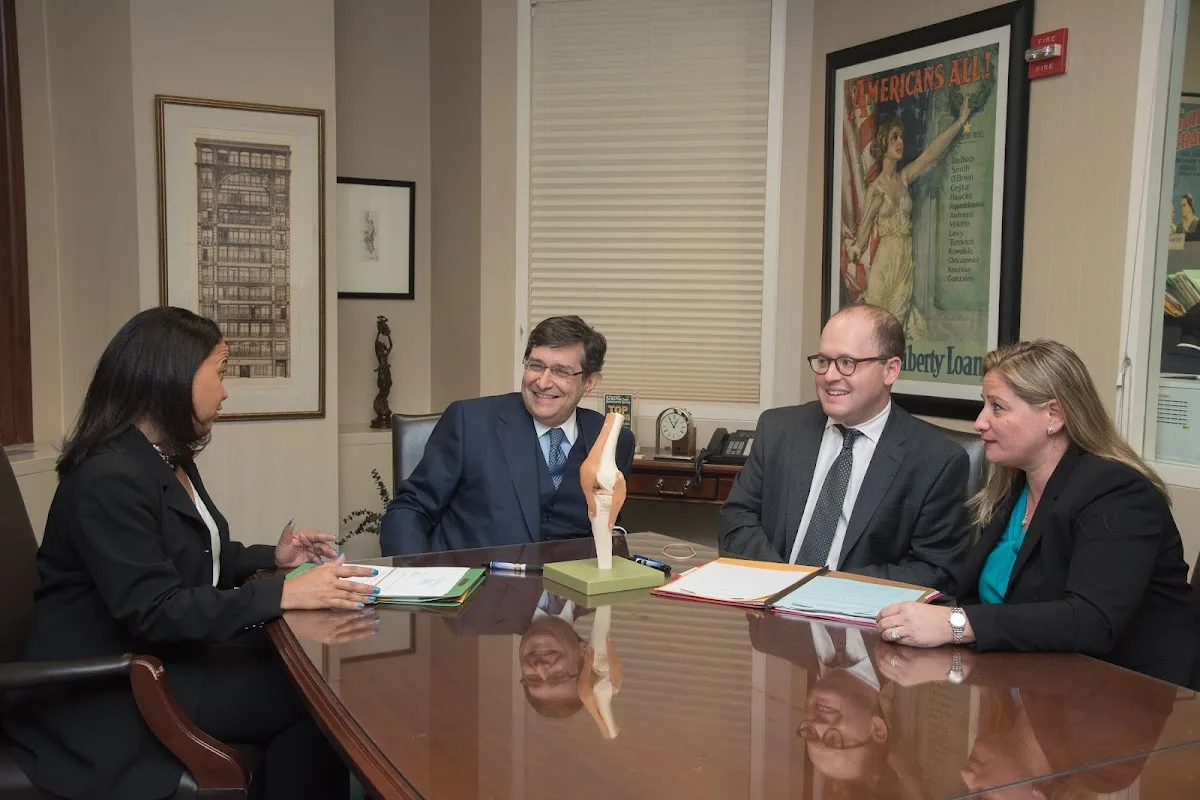
Which kinds of claims the firm
Visitors often arrive with different types of incidents, but the legal groundwork is similar: identifying who may be responsible, describing how the event occurred, and documenting damages. The firm generally handles general personal injury matters, including cases that may involve motor vehicle accidents, premises-related injuries, workplace harm, and other harm caused by another party’s negligence or wrongdoing. The goal during the initial review is to connect the facts to the legal standards that apply in New York, then determine what evidence will be most important.
Because different claims depend on different proof, a first consultation is commonly used to sort out details such as prior notice of a hazard, traffic control or vehicle operation at the time of a crash, employment or safety conditions in workplace cases, and the chain of events leading directly to injury.

How the fee structure typically works during intake
For many personal injury clients, the practical concern is cost. The firm’s information indicates a standard hourly approach, so visitors should expect that fee arrangements may vary based on the case facts and strategy. During the meeting, the attorney can explain how fees are handled for the matter, what work may be covered at different stages, and what billing expectations look like. This conversation is also where clients can ask about timelines, communication frequency, and what happens if the case requires additional investigation.
To reduce confusion, visitors are encouraged to bring any prior invoices, correspondence with insurance representatives, and any documents showing the extent of medical treatment or claimed losses.
Representative case notes: how liability and damages are analyzed
In personal injury claims, two issues usually drive the outcome: liability (who is responsible and why) and damages (what the injury caused). Even when liability seems obvious, New York disputes often turn on details—such as whether the responsible party had notice of the risk, whether a driver complied with traffic laws, or whether the injury evidence clearly links the incident to ongoing symptoms.
For damages, claims typically involve medical treatment, related out-of-pocket expenses, lost income, and the effect of the injury on everyday life. Visitors should be ready to explain when symptoms began, the type of treatment received, and any ongoing limitations recommended by clinicians. If there were delays in treatment, an attorney may ask for context, including whether symptoms were initially mild or whether access to care was limited.
What to bring before the consultation
Preparing before the visit can make the first meeting more efficient. Visitors should consider bringing:
- Any accident reports, incident logs, or citations (if available)
- Photographs or videos from the scene, including wider context photos
- Medical records, discharge paperwork, and a list of current medications
- Written notes describing the timeline of the incident and symptoms
- Proof of expenses (prescriptions, therapy bills, transportation costs)
- Work documentation showing missed shifts or reduced duties
- Any messages or letters from insurance companies or other parties
If the visitor cannot locate certain records, the firm can often help identify what is missing and the most efficient way to request it.

New York statute of limitations: timing matters
In New York personal injury matters, the ability to file a lawsuit is governed by a statute of limitations. The exact deadline depends on the type of claim and the parties involved. Because waiting can reduce available evidence and complicate proof, visitors are encouraged to seek legal guidance as soon as possible after the incident. During intake, the attorney can identify the appropriate deadline for the circumstances and explain how any investigative steps may affect timing.
For visitors with urgent questions—such as whether they need to preserve evidence, how to respond to insurance inquiries, or what information should be collected immediately—an early consultation can provide practical direction.