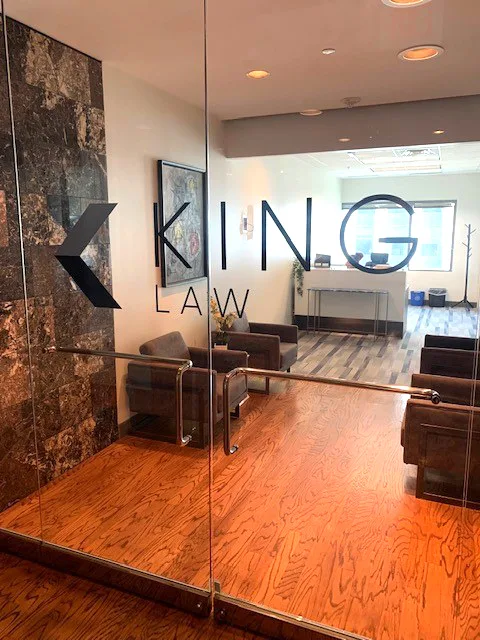
When an injury case resolves, many people focus on the check they receive. But for tax purposes, the more important deadline is often the one that shows up later—your next IRS filing. If you’re comparing legal options in Rochester and plan to report a settlement (or payments) on your tax return, you’ll want the paperwork organized in a way that lets your tax preparer match dates, wording, and amounts without guessing.
King Law: Criminal Defense & Personal Injury Firm lists its main Rochester office at 650 Clinton Square, Rochester, NY 14604. Public signals also include (585) 460-2016 and a rating of 4.9 from 131 reviewers. Use these verified details as your starting point—but the real decision is whether the information you receive is “tax-preparer ready.”
Start your settlement conversation with the tax-year problem
Ask counsel how they distinguish the timing of resolution from the timing of payments you receive. For IRS reporting, what matters is the year you report the relevant information—not just the year you signed paperwork or the year the case reached a certain milestone. This is especially important if payments come in installments or if paperwork arrives in phases.
At your first call, you can reference that you need documents that support year-by-year reporting. A good answer will explain how the firm tracks payment dates and provides descriptions that map clearly to tax preparation workflows.
Confirm what King Law will provide for your tax preparer
Before you share sensitive information with your accountant, confirm the set of documents you can expect to receive after resolution. You’re looking for more than a generic summary. Your goal is to create an organized “paper trail” your tax preparer can use to avoid IRS paper trail gaps.
What to request in writing
Consider requesting that the documentation include the key facts you’ll need for filing, such as the dates tied to payments, any settlement descriptions that identify the nature of the claim, and a clear breakdown of what was paid and when. If the firm can’t provide a specific item, ask what they can provide instead—and when you can expect it.
King Law’s public contact page points people to an official intake pathway. Use the firm’s website contact flow at https://www.robertkinglawfirm.com/contact-us/?utm_source=GMB if you prefer submitting details through their form.
Use “category clarity” to reduce tax-prep guesswork
Not all personal injury settlement paperwork is categorized in the same way from one firm to another. When you talk to King Law (or any comparable firm), ask how they help ensure the language in settlement documents is understandable to third parties.
A practical question is whether they can provide wording that your tax preparer can categorize without reconstructing the story. If your accountant has to infer details, that’s where avoidable errors and delays often start.
Verify record delivery timing so you can file on schedule
Even if your paperwork is correct, it can become unusable if it arrives too late for filing. Ask how and when documents are delivered—especially if you need them for preparing returns in the months after the settlement.
You can also ask how updates are handled if information changes after initial documents are issued. This helps you avoid scrambling after the fact and keeps your reporting consistent with what you actually received.
Questions that connect King Law’s Rochester contact to tax prep outcomes
When you call (585) 460-2016, keep the discussion anchored to your tax prep needs. You’re not asking for legal advice here—you’re asking for administrative clarity. For example: which documents will you receive; how payment dates are reflected; whether settlement wording is clear for classification; and what timeframe you should expect.
If a firm can’t answer clearly, that’s useful information too. Your goal is to build a file your tax preparer can confidently use when it’s time to prepare your IRS filing.