

What this guide is for
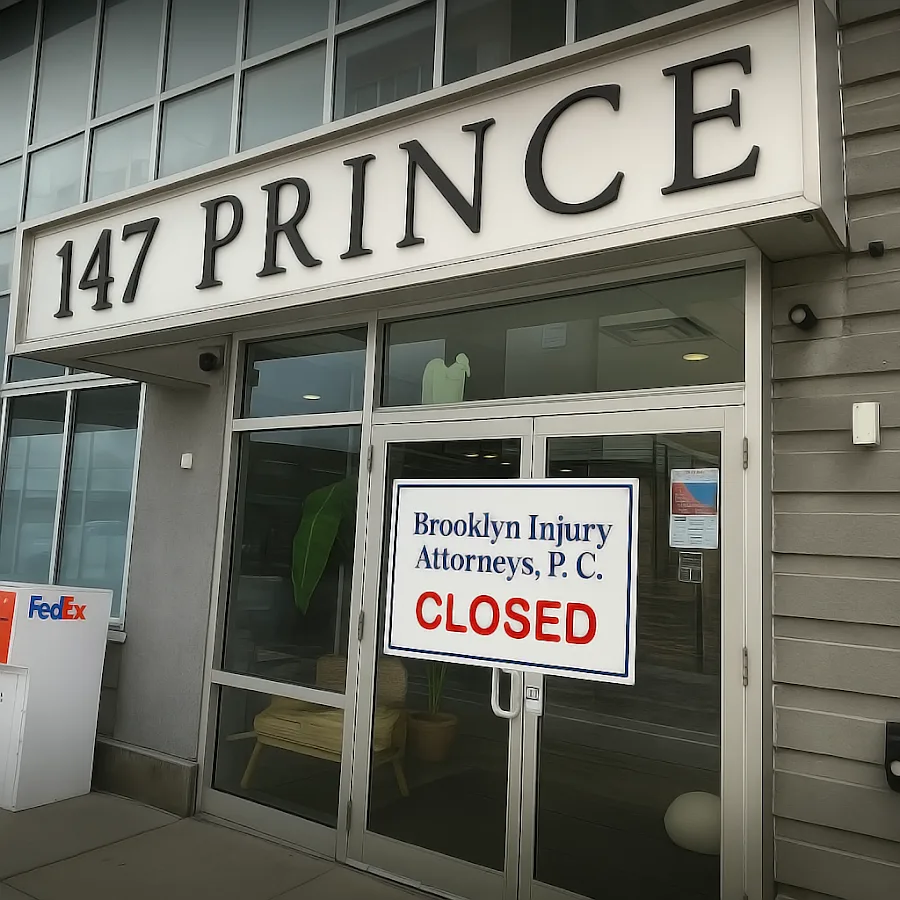
After an auto collision, slip-and-fall, workplace incident, or other injury, the legal process can feel unpredictable. This visitor guide explains how an initial meeting typically unfolds at Brooklyn Injury Attorneys, P.C. in Brooklyn, NY—what information matters most, what questions to expect, and how to prepare for a productive case review. The goal is to help injury victims approach the process with clarity and organization.
Step 1: Intake questions and early case evaluation
Most personal injury matters begin with a structured intake. The firm will typically ask about the incident date and time, the location in Brooklyn, what happened before the injury, and how the injury affected daily life. Expect questions about medical treatment, symptom progression, and any limits on work or household responsibilities.
Depending on the type of case, the firm may also request basic identifiers such as the responsible party’s name or the vehicle details, the property address, employer information, or insurance information if it is already available. Even if some details are missing, the initial interview helps identify what must be gathered next.
Common intake topics
- Incident timeline: what was happening moments before the injury
- Injuries and symptoms: where the pain is located and how it changed over time
- Medical care: visits, diagnoses, imaging, prescriptions, and referrals
- Impacts: missed work, mobility limitations, and treatment costs
- Potential evidence: photos, witness names, incident reports

Step 2: Medical records, damages, and documentation
In personal injury claims, damages typically connect the injury to measurable losses. During the case review, the firm will often focus on medical documentation (not just the initial visit) and the link between the accident and treatment. For many claims, consistent records can matter as the case moves from investigation to negotiations or litigation.
Visitors to the firm by bringing organized materials. When documents are incomplete, the firm can explain what should be requested or reconstructed. It is common for law firms to coordinate next steps with healthcare providers as part of building the case.
Helpful documents to bring
- Discharge paperwork, visit summaries, and treatment recommendations
- Prescription lists and receipts related to care
- Imaging reports (such as X-rays or MRIs) and test results
- Photographs of visible injuries and the scene (if available)
- Work notes, pay stubs, or documentation of time missed
- Any incident report numbers, claim numbers, or correspondence
Step 3: Understanding fees, consultation, and next steps
Many injury cases are handled on a contingency fee model, meaning the client typically does not pay attorney fees out of pocket as the case proceeds. During an initial case review, the firm can explain how fees work and what expenses, if any, may be separate. This is also the stage where a visitor can ask about communication frequency, case timelines, and what actions the firm will take first.
It is also helpful to confirm the form of consultation. If in-person meetings are not convenient, many firms offer virtual or remote options. A clear intake process helps keep the case moving without unnecessary delays.

Step 4: Key New York timing considerations (statute of limitations)
New York law generally requires personal injury claims to be filed within specific time limits. The deadline can depend on the claim type and the identity of the responsible party. Because timing can affect evidence availability and procedural options, injury victims in Brooklyn are encouraged to seek legal guidance as early as practical.
During the initial review, the firm identify the applicable time limit for the matter and discuss how that timing interacts with insurance processes and evidence collection.
What to expect after the first meeting
After intake, a typical next phase involves investigation and evidence gathering. The firm may review medical records, confirm witnesses or reports, and assess liability factors. If insurance communications have already started, the firm can also discuss practical steps for reducing risks that could weaken a claim.
For visitors who want to be prepared, the most useful mindset is organization: keep copies of communications, maintain a record of symptoms and treatment, and store documents in one place. A structured case review and consistent documentation can support a clearer path forward.
Brooklyn Injury Attorneys, P.C. visitor checklist
- Incident date, approximate time, and exact Brooklyn location
- Names and contact information for witnesses or involved parties
- Medical records, imaging reports, and treatment follow-ups
- Photos or video of the scene and visible injuries
- Insurance claim numbers and any written correspondence received
- A brief summary of how the injury affected work and daily life
For people researching representation in Brooklyn, this visitor guide is make the first meeting more predictable. With documentation ready and expectations aligned, the initial case review can focus on the facts that matter most: liability, medical impacts, and recoverable damages under New York law.