
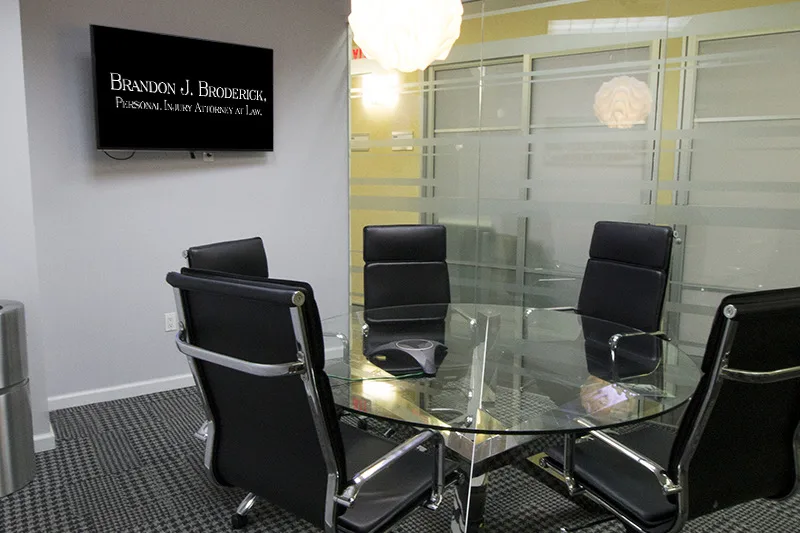
 Bringing a clear timeline and key documents helps a personal injury attorney spot issues early and avoid unnecessary back-and-forth.
Start with the facts: the intake meeting works only as well as the evidence
A personal injury case in Brooklyn often turns on details that are easy to misplace after the shock of an accident. A first meeting is meant to connect what happened to the legal elements—who may be at fault, what injuries resulted, and what losses can be documented. For Brandon J. Broderick, the intake focus is on preparing a case file that can be evaluated quickly and organized for next steps. The firm is listed with a 5.0 rating from 143 reviewers, and the public contact line is (877) 239-5098.Bring a one-page incident timeline (and use it to guide the conversation)
Many people arrive with information in fragments—texts, appointment slips, and photos stored in multiple places. Create a single page that answers these questions in order:- Date and approximate time of the incident
- Where it happened (address, intersection, building entrance, floor/room if relevant)
- How it happened (what you noticed first, what changed, what caused harm)
- Immediate medical steps (ER/urgent care visits, imaging, discharge instructions)
- What happened next (follow-up appointments, missed work, worsening symptoms)
 Medical records and treatment notes are the backbone of proving the extent of injuries and how they connect to the accident.
Document your injuries: what the attorney will look for
In a personal injury matter, medical records usually do more than describe pain—they establish diagnosis, causation, and the course of treatment. Bring copies of:- ER visit summaries, discharge paperwork, and diagnosis codes
- Imaging reports (X-ray, MRI, CT) and any specialist evaluations
- Physical therapy or rehabilitation notes
- Medication lists and follow-up instructions
- Work restrictions, doctor’s notes, and records of missed work
Liability evidence: collect photos, names, and official reports
Liability depends on what can be shown about the incident conditions and the parties involved. Bring or prepare:- Photos or videos from the scene (wide shots and close-ups), with the date captured if possible
- Any accident report number and the agency or property manager that handled it
- Insurance claim paperwork, denial letters, or settlement communications you received
- Names and contact information of witnesses and responding officers/security
- Any repair or maintenance records if the incident involved a hazardous condition
 A prepared list of questions helps ensure the first meeting addresses both strategy and practical next steps.
Know the practical questions to ask on day one
A strong first meeting covers strategy and expectations. Consider asking questions such as:- What evidence appears strongest right now, and what evidence is missing?
- What injuries look most documented, and what needs additional medical support?
- How does the attorney evaluate fault or comparative negligence in New York?
- How are settlement negotiations typically approached, and what role do medical records play?
- What documents and deadlines should be prioritized over the next 30–60 days?
- How will communication work after the intake—what can be shared by email and what requires originals?