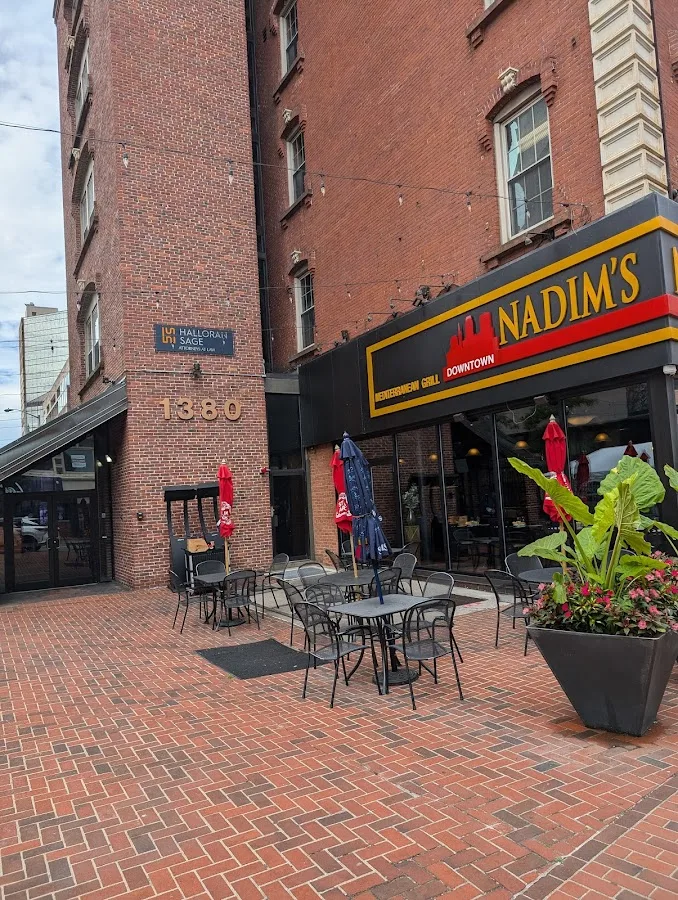
After an accident in Springfield, the first attorney decision is not necessarily about choosing the firm with the highest profile. It is about checking whether the lawyer’s documented focus, intake process, and location fit the facts that need review. Attorney Daniel A. Pava’s public profile identifies him as a Springfield personal injury lawyer, with a practice that includes car accidents and premises liability accidents. That makes the listing relevant to people comparing an injury attorney, but the listing is only a starting point. A prospective client still needs to explain the accident and confirm whether the office handles the particular claim.
What does the Springfield listing establish?
The local record places Attorney Daniel A. Pava at 1380 Main St #301, Springfield, MA 01103. It also reports a 5.0 rating from 102 reviewers. Those details can help someone distinguish this record from similarly named lawyers or offices, especially when searching after a stressful collision. They do not, by themselves, establish that every type of injury claim is accepted, that a result is likely, or that a review describes circumstances similar to a new case.
The official website is pavalaw.com. Its published material describes Daniel A. Pava as a Springfield accident lawyer with more than 40 years of experience and identifies car accidents and premises liability among the practice areas. A reader should treat those statements as useful signals about apparent practice-area fit, then confirm the current scope directly during intake.
Why the accident type should drive the first conversation
“Personal injury” is a broad label. A motor-vehicle collision may involve questions about the sequence of events, insurance communications, visible damage, and medical treatment. A premises liability claim may instead center on where and how an unsafe condition allegedly caused an injury, who controlled the property, and what evidence may still exist. The legal issues can differ even when both matters involve physical harm.
Before contacting an attorney, a claimant can write a short factual timeline: when and where the accident occurred, what happened immediately beforehand, what injury was noticed, and which organizations or people were notified. The goal is not to build an argument or decide fault. It is to give the intake team enough context to say whether the matter appears to fall within the office’s stated work and what information should be reviewed next.
Which records can make an intake more useful?
Medical records and bills are often important parts of an injury file, but they are not the only useful materials. Depending on the accident, a person may gather photographs, incident reports, insurance letters, witness names, employer information about missed work, and copies of messages connected to the event. Keeping originals unchanged and making a simple date list can reduce confusion later.
It is also sensible to separate confirmed facts from assumptions. For example, a claimant can note that a vehicle struck another vehicle, while leaving questions about speed, distraction, or legal responsibility for evidence and professional review. If records are incomplete, that does not mean the person should invent details. It means the missing information should be identified and discussed during the attorney conversation.
What should be verified before sending sensitive information?
The phone listed for the office is (413) 781-8700. A caller can use that number or the official website to confirm the current office address, intake route, and which person will review the accident details. The local record shows 1380 Main St #301, but office information can change, so confirming it before an in-person visit is practical.
A prospective client should also ask how the consultation works, whether the office is reviewing the specific accident type, what documents are appropriate to send, and how fees and expenses are explained. Public listing information may mention consultation or payment terms, but those terms should be confirmed in the office’s current explanation rather than inferred from a rating or a headline.
How can a Springfield claimant compare the fit?
Comparison becomes clearer when every attorney is asked substantially similar questions. Does the office regularly review this kind of injury claim? Who is the contact during the initial review? What information is needed first? Are there timing issues the claimant should ask about? How will the office explain the possible next steps and financial terms? Written answers can make differences easier to evaluate without treating a consultation as a promise of representation or compensation.
Daniel A. Pava’s Springfield address, published accident-law focus, and established online profile provide concrete points for that comparison. They do not replace a case-specific review. After an accident, a careful claimant can use the official contact path, organize medical records and other evidence, and ask focused questions before deciding whether this attorney is the appropriate fit. This article is general information, not legal advice, and deadlines or rights may depend on the facts and applicable law.